


Commentary: The Struggle for Justice Has No Borders


Soophia Ansari (photo by Sarah Whiting)
Genocide and colonization are a part of our history. We owe it to our ancestors to speak up about it today.
What’s happening today in Palestine is similar to what South Asians have faced: settler violence, military occupation, and cultural erasure are parts of our painful family histories. My paternal and maternal grandparents were forcibly displaced from the Indian subcontinent during the 1947 British Partition. They were permanently separated from loved ones — losing their homes, their cultures, their statehood, their identities.
Theirs are memories too painful to speak of to this day — wounds that continue to heal crookedly.
Everyone in the South Asian diaspora has been affected by the British Partition of 1947, and therefore by colonization, ethno-religious violence, and state-sanctioned war crimes. The Palestinian fight for dignity and autonomy mirrors the battles my grandparents faced.
Partition did not happen to our people in one day. Our lands were colonized, famine was used as a tool to control us, and ethno-religious conflicts were weaponized in order to divide us further.
This is why I feel an existential responsibility to call out what is happening in Palestine as genocide and to demand a quick and permanent ceasefire.
As a Pakistani American residing in the U.S., I live on stolen lands that were built on the backs of stolen Black lives and the genocide of the indigenous peoples. So, too, have Palestinians faced decades of occupation, dispossession, and denial of basic rights. This historical trauma is compounded by ongoing military occupation, illegal settlements, lack of mobility, and a blockade that stifles the economic and social lives of Gazans.
This does not even touch on the violent military offenses that began on October 7, 2023, and have killed more than 38,000 people so far — most of them women and children.
The suffering of Palestinian people are rooted in injustices that began years ago. In our shared histories, I find compelling reason to stand in solidarity with those who face oppression.



What Can We Do?
When I think about the plight of my South Asian people, the generations of unresolved trauma, and the continued migration of my family across man-made borders, I often wonder what I can do to support decolonization as a tangible event instead of an abstract theory. I can’t alter my history, but I can choose to elevate voices, find community among those who care deeply, and put pressure on candidates who require my vote.
What has been deeply upsetting to me is the dehumanization of the lives of Palestinians. Media accounts often reduce their experience to data points and statistics, stripping away individual stories of loss, resilience, and hope. The conflict is often presented as a two-sided clash rather than as persecution and resistance.
When we erase human stories, it perpetuates indifference and hinders genuine action. It is something our ancestors faced too. In the Western world, we hardly see mention of the violence of the British Partition and have never seen reparations for the atrocities committed.
As someone educated in the United States, my understanding of the brutality of British occupation and the loss of life came only from fragmented anecdotes of my grandparents. Without their courage to share what they endured, I would not have learned about my history.
Today, I see countless photos and videos from journalists on the ground in Gaza, and I am in awe of the resources available to learn about Palestine. Education about injustices is the first step to understand what we can do in support.
The commitment to human rights is ingrained in South Asian societies. From the Farmers’ Rebellion in Punjab to the ongoing fight for freedom in Kashmir, South Asians have a long history of standing up against oppression and advocating for the rights of marginalized communities.
Intentional organizing with other marginalized communities is the path I choose.
In my local community in Minneapolis, I attend protests and teach-ins hosted by Jewish Voices for Peace and the Minnesota Anti-War Committee. Even the River Starts Small is an anthology I read about the fight to stop the Line 3 pipeline that runs through indigenous lands and waterways of Minnesota. I also dance with South Asian Arts & Theater House, because even joy is a form of protest.
What I would like to see?
- Lifting of the blockade on Gaza
- Halt to settlement expansions
- Restoration of basic necessities and freedoms to
- South Asians with access to capital committing to solidarity with oppressed peoples.
I believe that by advocating for Palestinian dignity and amplifying Palestinian voices, we honor our history and continue the battle for a world of dignity and peace.
If you would like to add your own commentary to womenspress.com, about this or other topics, reach out to editor@womenspress.com
Commentary: The Pervasive Smallness of Using Labels to Cause Harm
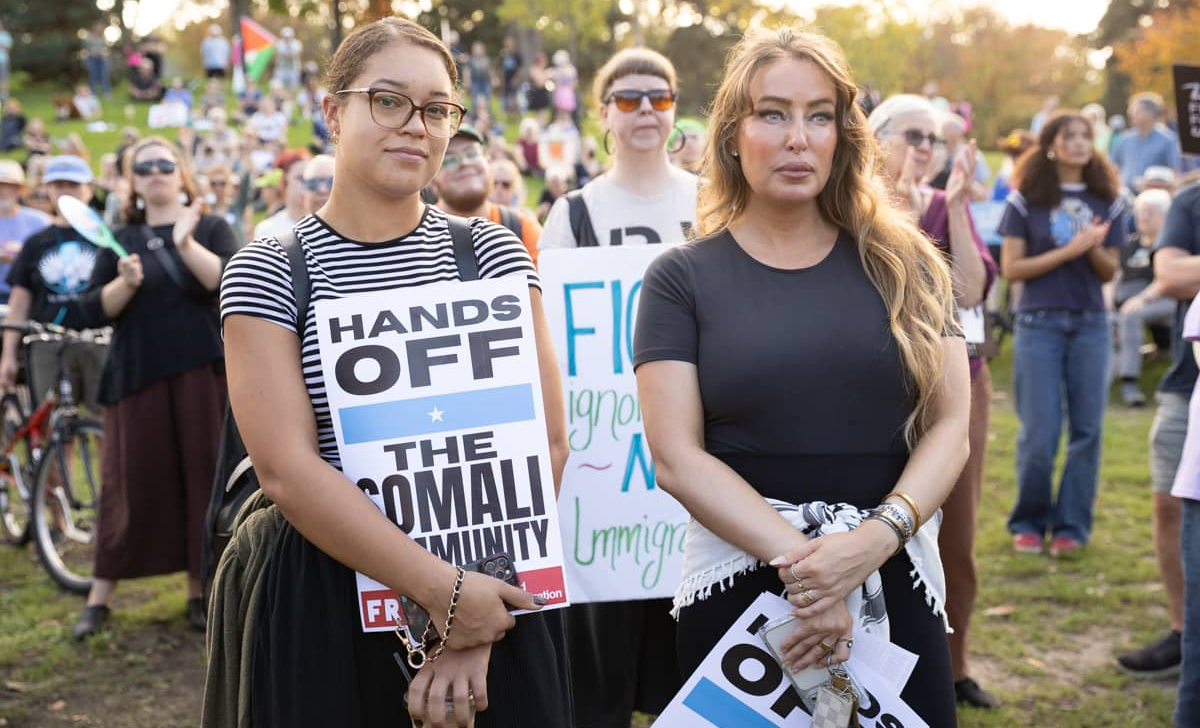
Whether it is Jewish people, Somalis, Indigenous, and the many others who have been labeled as inferior by those who see people by skin color and birthplace, our children are noticing the propensity toward racism and violence. Why speakers at a rally in support of Rep. Ilhan Omar Monday see Minnesota as the birthplace for a new promised land of unity and solidarity.
Publisher’s Commentary on World News Day: Why Our Feminist Media Platform Exists
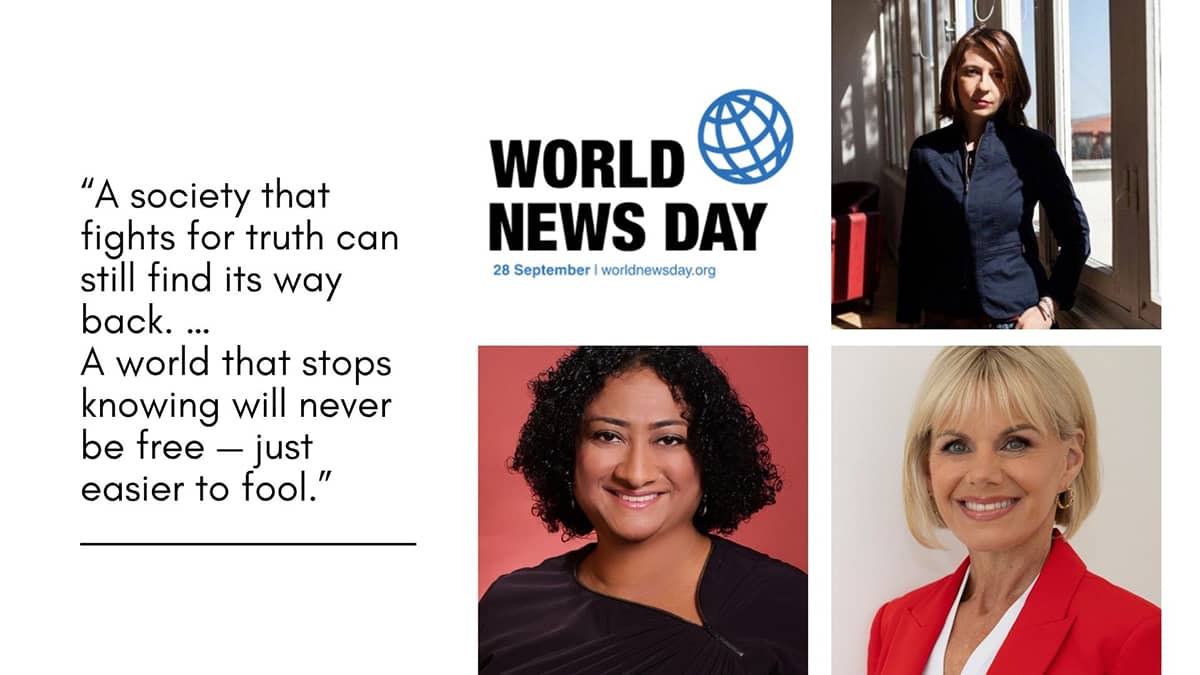
Today is World News Day, which coincides with the United Nations International Day for Universal Access to Information. More than a thousand newsrooms from more than 100 countries are today pointing out the value of a free press, including Minnesota Women’s Press. Here is our essay on the subject.
Publisher’s Commentary: “A Work in Progress” Documentary by Robert Reich
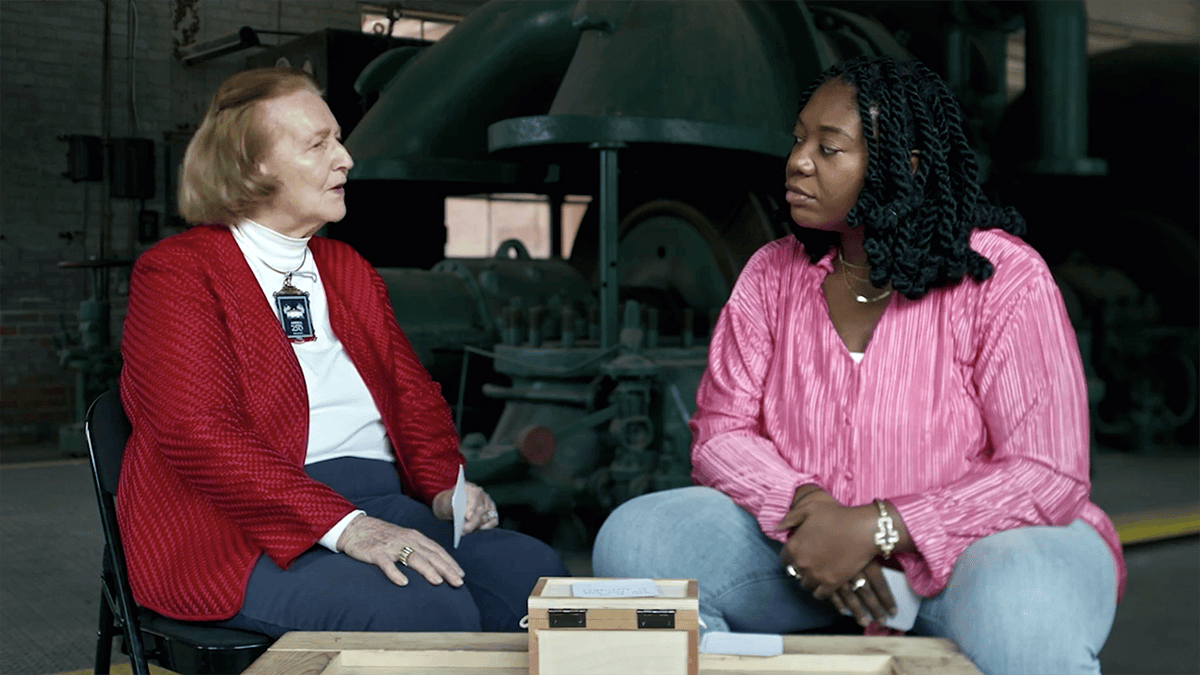
The conversations we can have with each other are not about telling people what to think, but by creating more places to think together. More opportunities to explore the essential ingredients of collective health and personal fulfillment, and to ask what we owe one another as neighbors and citizens. This feels more consequential to me than the horse races, outrage, and gossip that so often define the media landscape.

What Dolly Parton Taught Me About Mutual Aid
When I read of Dolly Parton’s recent death, the first thing I thought about was when I celebrated her birthday with hundreds of fellow Minnesotans in the heart of Operation Metro Surge.

Commentary: What to know about the sulfide mine proposed in Minnesota’s headwaters watershed
With Talon’s proposal, Minnesota now has sulfide-mining proposals in all three of its major watersheds: the Mississippi River, Lake Superior, and the Boundary Waters. A public comment period for one of them ends September 14.
COMMENTARY: What a Fentanyl-Free America Means to Me
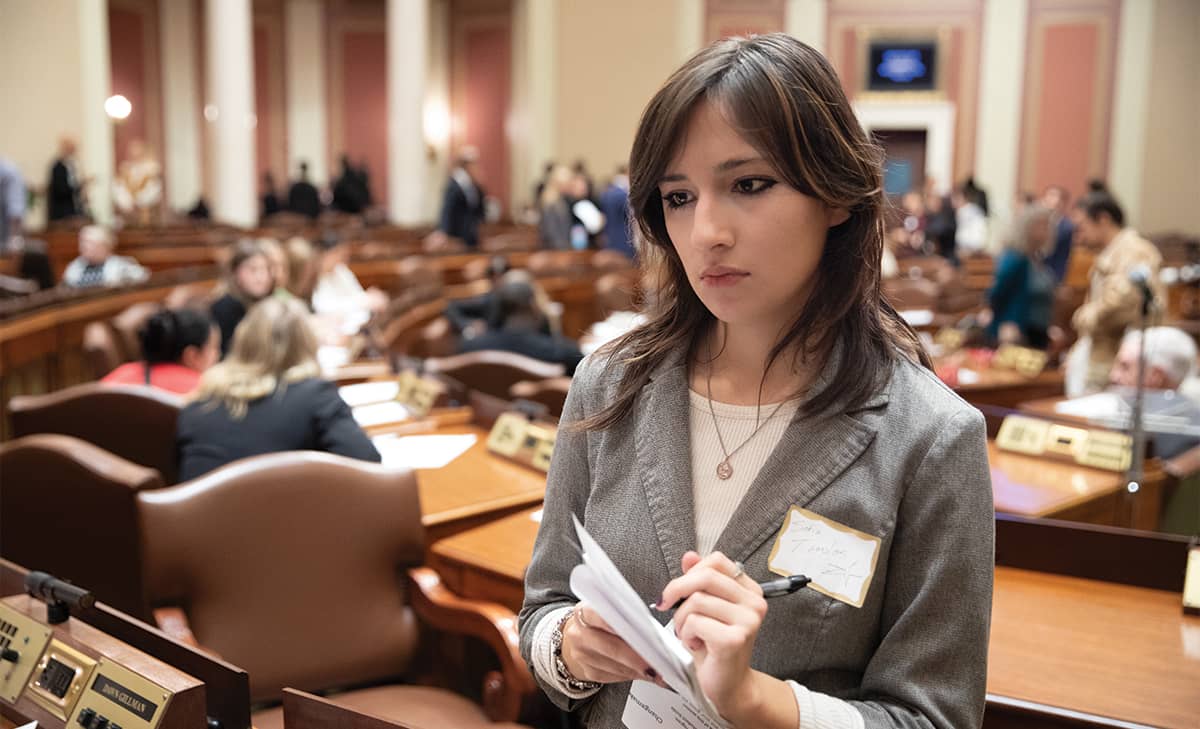
“What should be prioritized in the fight against fentanyl is youth involvement prevention and education. The involvement of young people is the key to maintaining consistent awareness.”
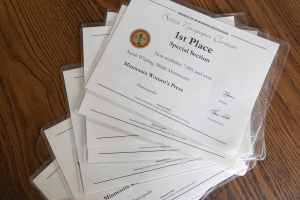 For 2025 coverage, Minnesota Women’s Press earned a community leadership award, three photography awards, and four editorial awards, including for coverage of social issues and for our Spring 2025 “Know Your Rights” special section supported by Unidos MN. Our publisher was named Journalist of the Year by Violence Free Minnesota for gender-based violence coverage.

A legitimate struggle for justice requires telling the truth. Both Israelis and Palestinians have lived in the same place for over a thousand years and most of them want to live in peace with sovereignty and dignity. Tragically, their leaders and some of their own people want total control over the land and to violently maintain their own power. But demonizing Jews, Israelis, Muslims, or Palestinians has no place in articulating a path to justice for anyone, and both peoples are entitled to a safe and free homeland.