

Ecolution
 https://www.womenspress.com/wp-content/uploads/2026/10/Ellison-campaign.jpg
790
1200
Mikki Morrissette
https://www.womenspress.com/wp-content/uploads/2025/09/reverse-300pxwide-1.png
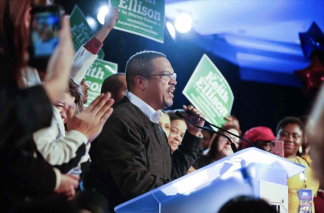
Mikki Morrissette2026-10-16 15:14:452026-10-16 15:25:44Deep Dive: How the Attorney General’s Office Impacts Affordability, Housing, and Healthcare
https://www.womenspress.com/wp-content/uploads/2026/10/Ellison-campaign.jpg
790
1200
Mikki Morrissette
https://www.womenspress.com/wp-content/uploads/2025/09/reverse-300pxwide-1.png
Mikki Morrissette2026-10-16 15:14:452026-10-16 15:25:44Deep Dive: How the Attorney General’s Office Impacts Affordability, Housing, and Healthcare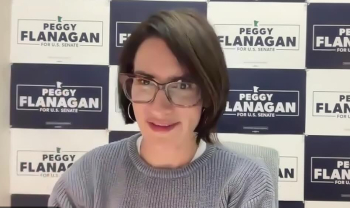 https://www.womenspress.com/wp-content/uploads/2026/10/peggy-flanagan-1.jpg
564
948
Mikki Morrissette
https://www.womenspress.com/wp-content/uploads/2025/09/reverse-300pxwide-1.png
Mikki Morrissette2026-10-12 08:33:112026-10-12 09:10:46A Conversation About Priorities with U.S. Senate Candidate Peggy Flanagan
https://www.womenspress.com/wp-content/uploads/2026/10/peggy-flanagan-1.jpg
564
948
Mikki Morrissette
https://www.womenspress.com/wp-content/uploads/2025/09/reverse-300pxwide-1.png
Mikki Morrissette2026-10-12 08:33:112026-10-12 09:10:46A Conversation About Priorities with U.S. Senate Candidate Peggy Flanagan https://www.womenspress.com/wp-content/uploads/2026/10/chisholm-mining-sign-1-e1791302062163.jpg
728
1198
Mikki Morrissette
https://www.womenspress.com/wp-content/uploads/2025/09/reverse-300pxwide-1.png
Mikki Morrissette2026-10-06 10:34:462026-10-14 13:33:08EXPLAINER: Mining in Minnesota
https://www.womenspress.com/wp-content/uploads/2026/10/chisholm-mining-sign-1-e1791302062163.jpg
728
1198
Mikki Morrissette
https://www.womenspress.com/wp-content/uploads/2025/09/reverse-300pxwide-1.png
Mikki Morrissette2026-10-06 10:34:462026-10-14 13:33:08EXPLAINER: Mining in Minnesota










 For 2025 coverage, Minnesota Women’s Press earned a community leadership award, three photography awards, and four editorial awards, including for coverage of social issues and for our Spring 2025 “Know Your Rights” special section supported by Unidos MN. Our publisher was named Journalist of the Year by Violence Free Minnesota for gender-based violence coverage.