


The Health Effects of ICE Tactics
"This Is US" coverage, and the March/April magazine issue, made possible by the deep underwriting of Unidos MN.

Greg Bovino (unmasked) with ICE agents in North Minneapolis shortly before tear-gassing observers. Photo Sarah Whiting
Minnesota, especially the Twin Cities, has become a testing ground for pepper spray, tear gas, and the long-range acoustic device (LRAD). The market for nonlethal weapons was more than $1.4 billion in 2023. The stated aim of these weapons is to “subdue or incapacitate” rather than kill. Yet all of the nonlethal weapons used in Minneapolis have been linked to deaths or permanent debility when used incorrectly in movements such as those in Hong Kong and Portland.
When hexachloroethane was used on Minneapolis streets, it seeped into homes and businesses. Tear gas has been extensively used at the Renée Good and Alex Pretti memorials. Pepper spray has been used liberally on protestors.
There is little information available on repeated long-term exposure to nonlethal weapons when used in combination, as has happened in Minneapolis. However, what is known is that tear gas exposure has been linked to chronic respiratory conditions and reproductive issues. Countries like Chile have suspended its use due to a suspected link to miscarriages. It has been linked to eye issues including corneal edema, keratitis, glaucoma, and even cataracts.
Exposure to hexachloroethane has been shown to be carcinogenic to animals in the long term and highly toxic with repeated concentrated exposure. It has been linked to liver damage as well as neurological symptoms.
The LRAD has been linked to hearing loss in the United States. Carnegie Mellon professor Karen Piper reportedly suffered “intense pain as mucus discharged from her ear. She became nauseous and dizzy and developed a severe headache.” Afterward, Piper developed tinnitus (ringing of the ears), left ear pain and fluid drainage, dizziness, and nausea as well as permanent nerve damage. Lawsuits like Piper’s may offer a path forward for those impacted.
A deeper story about these issues will appear soon at womenspress.com/collective-health
Call for Community Conversations
Minnesota Women’s Press is gathering experts for a future online discussion with members, and deeper stories, about physical and mental health issues impacting children and adults. What do we do as a community to heal from what ICE agents have done? If you are a supporting member, contact community@womenspress.com to be notified when we have the right experts in place.



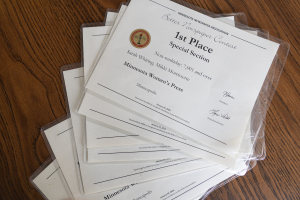 For 2025 coverage, Minnesota Women’s Press earned a community leadership award, three photography awards, and four editorial awards, including for coverage of social issues and for our Spring 2025 “Know Your Rights” special section supported by Unidos MN. Our publisher was named Journalist of the Year by Violence Free Minnesota for gender-based violence coverage.

