

Tag Archive for: Food
 https://www.womenspress.com/wp-content/uploads/2019/09/Jenny-Breen-182-SW-e1793032723876.jpg
728
1200
Mikki Morrissette
https://www.womenspress.com/wp-content/uploads/2025/09/reverse-300pxwide-1.png
Mikki Morrissette2026-10-26 11:15:252026-11-05 22:51:29Explainer: School Food Can Be Medicine
 https://www.womenspress.com/wp-content/uploads/2026/04/Friendly-2O8A9062_Photo-Sarah-Whiting.jpg
728
1200
Mikki Morrissette
https://www.womenspress.com/wp-content/uploads/2025/09/reverse-300pxwide-1.png
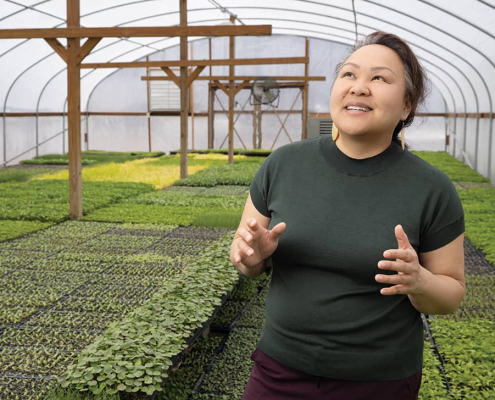
Mikki Morrissette2026-10-25 19:41:422026-11-05 22:50:32Local Farming as an Act of Resistance and Community
 https://www.womenspress.com/wp-content/uploads/2025/10/food-shelf-1.png
729
1200
Mikki Morrissette
https://www.womenspress.com/wp-content/uploads/2025/09/reverse-300pxwide-1.png
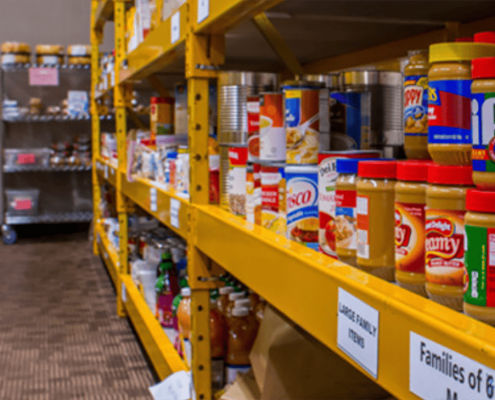
Mikki Morrissette2026-10-25 14:35:092026-10-26 14:10:55Deep Dive: Why Is Food So Expensive?
 https://www.womenspress.com/wp-content/uploads/2026/07/Immigrant-Kitchen2O8A1676_Photo-Sarah-Whiting.jpg
800
1200
Mikki Morrissette
https://www.womenspress.com/wp-content/uploads/2025/09/reverse-300pxwide-1.png
Mikki Morrissette2026-08-20 14:33:402026-08-28 10:24:51Immigrant Kitchen’s Ukrainian Dinner
 https://www.womenspress.com/wp-content/uploads/2026/02/Katie-Chin-dumplings.jpg
728
1200
Mikki Morrissette
https://www.womenspress.com/wp-content/uploads/2025/09/reverse-300pxwide-1.png
Mikki Morrissette2026-02-27 20:10:532026-03-02 14:41:46Katie Chin: Honoring Her Mother’s Legacy While Paving Her Own
 https://www.womenspress.com/wp-content/uploads/2025/08/Jodi-Gruhn-cover-1.png
729
1200
Mikki Morrissette
https://www.womenspress.com/wp-content/uploads/2025/09/reverse-300pxwide-1.png
Mikki Morrissette2025-08-20 10:16:232025-08-25 18:00:47Four Minnesotans Who Want to Transform School Food Policy
 https://www.womenspress.com/wp-content/uploads/2022/03/Yeseria-1.jpg
741
1200
admin
https://www.womenspress.com/wp-content/uploads/2025/09/reverse-300pxwide-1.png
admin2022-03-28 07:11:382023-03-20 18:59:38Sprouting From Roots Around Little Falls
 https://www.womenspress.com/wp-content/uploads/2021/09/Changemakers-alliance.png
1111
1111
Mikki Morrissette
https://www.womenspress.com/wp-content/uploads/2025/09/reverse-300pxwide-1.png
Mikki Morrissette2022-02-28 08:31:002023-03-20 18:59:39Equity — What Advocates Are Asking of Minnesota Legislators
 https://www.womenspress.com/wp-content/uploads/2021/12/PROBLEM-heat.png
740
1450
Mikki Morrissette
https://www.womenspress.com/wp-content/uploads/2025/09/reverse-300pxwide-1.png
Mikki Morrissette2021-12-08 22:27:172023-03-20 18:59:44Climate Underground: A Visual Story
 https://www.womenspress.com/wp-content/uploads/2021/11/danimarisasharefood.jpg
967
1450
Mikki Morrissette
https://www.womenspress.com/wp-content/uploads/2025/09/reverse-300pxwide-1.png
Mikki Morrissette2021-11-21 08:41:422023-03-20 19:00:04Turtle Island Stories: The Sustainable Agriculture Movement
 https://www.womenspress.com/wp-content/uploads/2021/10/goats-0996-copy.jpg
745
1200
Mikki Morrissette
https://www.womenspress.com/wp-content/uploads/2025/09/reverse-300pxwide-1.png
Mikki Morrissette2021-10-27 07:05:002023-03-20 19:00:04The Hidden Costs of Food
 https://www.womenspress.com/wp-content/uploads/2021/10/HeaetherP1150.jpg
900
1200
admin
https://www.womenspress.com/wp-content/uploads/2025/09/reverse-300pxwide-1.png
admin2021-10-27 04:57:002023-03-20 19:00:05Agriculture at the Center of Change
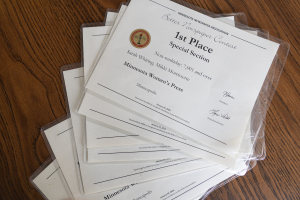 For 2025 coverage, Minnesota Women’s Press earned a community leadership award, three photography awards, and four editorial awards, including for coverage of social issues and for our Spring 2025 “Know Your Rights” special section supported by Unidos MN. Our publisher was named Journalist of the Year by Violence Free Minnesota for gender-based violence coverage.