


How We Can Heal Each Other
Comfort Dondo. Photo Sarah Whiting
Minnesota is home to diverse communities, including large populations from countries that have endured the traumas of war and people who have suffered personal assault, abuse, and deep loss. As the founder of Phumulani, which offers Minnesota African Women’s Healing Circles, I work with refugees from the African diaspora.
As someone especially engaged in working with women of color who are escaping domestic violence and sexual abuse, I have spent a lot of time learning and talking about what our state needs for effective healing.



Four Priorities
The journey for all Minnesotans toward genuine healing often remains incomplete, due largely to limited access to therapeutic resources. The top needs:
1. Foster community connectedness. Healing flourishes in a communal context, where individualism and isolation are replaced with shared support and collective strength. Healing spaces bring people together, to reestablish community bonds.
2. Create culturally specific healing spaces. Traditional, mainstream methods are often unfamiliar or insufficient for addressing the cultural context of healing for immigrant and refugee communities. At Phumulani, we create spaces where individuals feel seen and understood within their cultural framework.
3. Invest in and recruit BIPOC healers. Culturally competent healers bring a depth of understanding about community-specific traumas and collective resilience. Building up the presence of BIPOC healers provides a greater sense of safety and relatability for those seeking healing.
4. Address intergenerational trauma. With the right resources and long-term investment, we can ensure that communities are not only supported in the present but also empowered to break cycles of trauma for future generations.

Holistic Healing Approaches
The journey toward holistic healing — which addresses body, mind, emotions, spirit, and social and intellectual needs — goes beyond traditional therapy and support groups. There are several approaches we can build.
- Nature-based: Experiences in nature can provide grounding and reconnection to the natural world. Programs that incorporate community gardening, forest therapy, or outdoor gatherings enable people to find peace and resilience in nature’s healing presence.
- Animal-assisted therapy: Animals offer nonverbal forms of comfort and connection. Especially for those who have experienced trauma, interactions with animals provide a sense of safety, companionship, and healing.
- Cultural reconnection: Rituals, storytelling, music, and dance that reflect one’s culture can awaken a deeper sense of self and purpose, and promote emotional healing through pride and belonging.
- Peer-led healing circles and mentorship: Healing circles facilitate a shared space, while peer mentorship programs allow individuals to feel empowered by their shared experiences.
Strong Examples in State
Several organizations are doing exceptional work to support diverse healing needs. For example:
Dream of Wild Health provides a nature-based program, focused on indigenous food sovereignty and wellness, which helps to reconnect Native American youth with the land and traditional practices.
Ain Dah Yung (Our Home) Center serves Native American youth in crisis by combining traditional teachings with youth advocacy and support services.
Mental Health Connect is a statewide network that links people with mental health resources and peer support, promoting access to culturally appropriate and affordable mental health services across Minnesota.
The Cultural Wellness Center offers classes that emphasize culture and health-oriented activities, such as Zumba and biking.
By prioritizing holistic health together, we can create spaces that honor each journey toward wellness and foster a stronger and inclusive healing landscape in Minnesota.
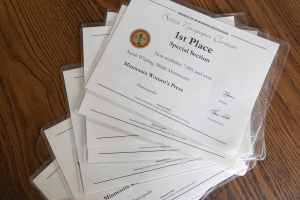 For 2025 coverage, Minnesota Women’s Press earned a community leadership award, three photography awards, and four editorial awards, including for coverage of social issues and for our Spring 2025 “Know Your Rights” special section supported by Unidos MN. Our publisher was named Journalist of the Year by Violence Free Minnesota for gender-based violence coverage.
