


How to Build a Life of Financial and Emotional Health


Fatoun Ali. Photo Sarah Whiting
I began my life in Somalia, where civil war broke out when I was 13. I lived in a refugee camp and survived the trauma of extreme poverty and abuse. I dreamed of a better life. I came to the U.S. in 1998 alone and pregnant — my husband at the time would join me in San Diego two months later.
I didn’t know anything about goal setting, time management, or financial planning until I came to Minnesota and registered at Community Action Partnership for a two-year program called “Self-Sufficiency for Low-Income Families.”
By then, I had two children and had left an abusive home, gone through divorce, and moved across the country. In the program, I learned how to manage my time, set goals, and organize my home to steadily achieve those goals. I discovered how to maintain good credit. I learned how to write checks and balance my checkbook. I learned how to save.
My family caseworker encouraged me to get the education I needed to get a better job with a stronger income. I attended Minneapolis College and got an associate’s degree in business management in two years. I met my mentor Mickey Mikeworth, who taught me to organize my time by dividing my day into one-hour or half-hour increments.



Emotional Health
I cried for the first ten years I was in Minneapolis. I was deeply wounded from living in a war-torn country, moving across the world, fleeing violence, and losing family. I found a helpful therapist to talk to. My suggestions:
- If you’re feeling numb, full of rage, or so low you can’t seem to pull yourself up, tell yourself the truth. You are not okay right now, but you can be with help.
- Get over the cultural stigma of seeking help.
- Emotions can seem overwhelming and scary, but they are temporary. The only way to heal is to feel. Having mental health support is crucial.
Financial Health
My former husband used my name and information to apply for credit cards online without my knowledge. One day I discovered that I owed money — that I was liable to pay — for purchases I didn’t know anything about. I also had a close friend who unintentionally messed up my credit. She needed my help to rent an apartment, so I signed her apartment lease. When she was not able to pay rent and I was taken to court. After that, I had trouble renting a home for my family. Suggestions:
- Don’t cosign loans for other people unless you choose to help their life in a meaningful and lasting way — like college or trade school for your children.
- Get a secure, pre-paid credit card from a reputable bank, use less than 30 percent of the line of credit each month, and pay it on time. Set up autopay from your bank account so you do not miss a payment.
This essay was adapted from Fatoun Ali’s book My Dear Loving Sisters: Tea and Stories From an Audacious Life. She is founder of the Somali Youth & Family Development Center. fatounali.com
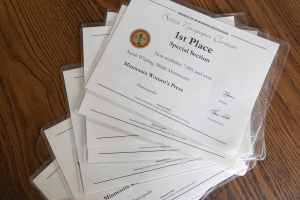 For 2025 coverage, Minnesota Women’s Press earned a community leadership award, three photography awards, and four editorial awards, including for coverage of social issues and for our Spring 2025 “Know Your Rights” special section supported by Unidos MN. Our publisher was named Journalist of the Year by Violence Free Minnesota for gender-based violence coverage.
