


Experimenting With Art and Healing Modalities

Katie Ka Vang (photo by Sarah Whiting)
Katie Ka Vang’s Theater Mu musical production of Again speaks to ways in which Hmong Americans are able to heal interpersonal conflicts through new connections with loved ones. The musical, which ran in 2023, portrays simple ways Hmong families resolve conflict without violence.
How did you come to write your musical?
Again started out as a play — the seeds of it, anyway. I kept running into walls, but would pick it up again. At the time, I didn’t know why it was so difficult to write, but now I realize it was because I was still so close to my experience with cancer.
I saw a work-in-progress of a new musical about the Korean War; it had so much levity, even though the subject matter was serious. After seeing that piece, the idea of a musical evolved.
Hmong people are stateless people. We came to the U.S. because of war. I think some Americans perpetuate a narrative of violence and trauma because it is easy — but that is not all that we are. We are humans with families that can be complex, like any relationship dynamics are. We have a rich culture filled with arts. I wanted the play to reflect all of that.



What did Again unpack, for you and the audiences?
I’ve heard that audiences felt seen, and the difference in generational perspectives was reflective of their experiences.
People also shared their experiences in the medical system, from getting bad news to being constipated. Those conversations got pretty graphic — but we rarely hear or see the effects of medication in a way that makes people care. People shared with me their experience with cancer, either having it themselves or caring for someone with it.
For myself, it was a few things. It gave me time to understand more deeply the people who were around me when I was going through cancer. There is no one- size approach to surviving. Getting better includes all modalities of care and health. Medicine can come in so many forms, not just pills or chemotherapy.
I found myself praying a lot. Prayer was a form of medicine, as was making art and writing stories. I grew up in a Hmong Christian family, so prayer and meditation were a huge part of my healing.
In my health journey, I tried so many things, such as reiki, homeopathy, naturopathy. I joined a Zen Buddhist temple. Now I practice all forms of healing. I’m glad I explored all these modalities, because I don’t have to pick just one. I also found that spending time with my family and loved ones was immensely healing.
What reactions did the play provoke?
Several people told me they connected with their siblings afterward. People told me they went through a roller coaster of emotions: laughter, sadness, fear, anger, hope.
One woman initially said she didn’t like the ending because it was too real, but after a few weeks she told me she loved it. That was one thing I knew in developing this piece: I told my composer that I didn’t want it to have a rosy ending, but I didn’t want it to be a tragedy, either. I wanted to end on a hopeful yet uncertain note.
People felt an honest connection to it and loved it so much that they kept coming back. I know some folks who saw it three times, and each time brought new folks with them. Some people heard about the musical by word of mouth and came to Minneapolis, then asked if I had plans to do it in their town.
You are starting in-depth community engagement to produce a Theater Mu project about the 50th anniversary of Hmong resettlement in the U.S. and what it means for Hmong Americans to thrive. What healing are you hoping to generate with this project?
I don’t honestly know if I expect healing from anyone. I’m definitely looking forward to working and making art with others while being in community with people — that adds to healing.
I’m interested in discovery and exploration with others. What can we do collectively to be sustainable, yet continue to dream?
It will probably be a performance on stage or screen. I’m planning to spend a lot of time in the Hmong community, and to find as many sub- Hmong communities as I can. I want to just be with them, have conversations, break bread, and make art. MWP

EXPLAINER: When Medicaid Changes Come Home to Minnesota (with flyer)
With the levels of misunderstanding about the systems we rely on day-to-day when we get hospital and clinic care, this Explainer is the first in a series designed to help people understand how the government — and the people we elect to it — serve the common good with the decisions they make about policy and funding priorities. #1: What Minnesotans need to know about how federal Medicaid cuts will impact everyone. Includes a one-page flyer of details.
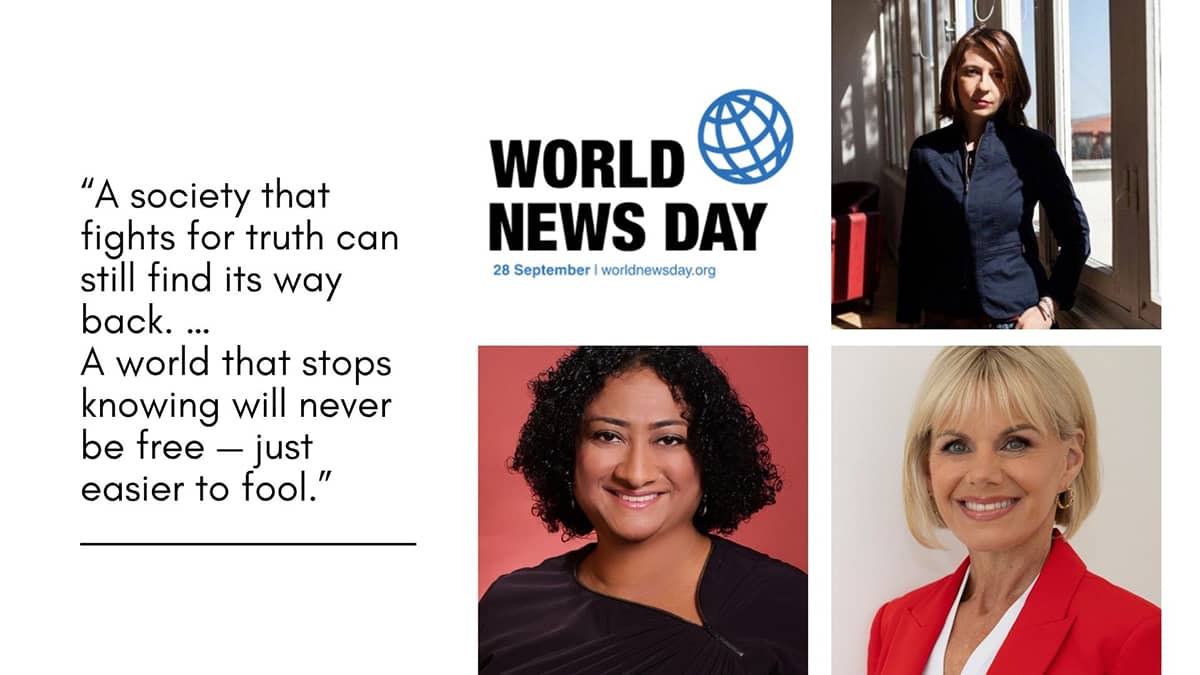
Publisher’s Commentary on World News Day: Why Our Feminist Media Platform Exists
Today is World News Day, which coincides with the United Nations International Day for Universal Access to Information. More than a thousand newsrooms from more than 100 countries are today pointing out the value of a free press, including Minnesota Women’s Press. Here is our essay on the subject.

What Dolly Parton Taught Me About Mutual Aid
When I read of Dolly Parton’s recent death, the first thing I thought about was when I celebrated her birthday with hundreds of fellow Minnesotans in the heart of Operation Metro Surge.

Truth #3: Protecting Small Businesses and Elderly Neighbors
“In moments of crisis, people appreciate you just asking them how you are doing. As someone who has suffered from PTSD [post-traumatic stress disorder], it is important to have moments of humor, cracking a joke, simply talking to somebody that you knew for years. Just doing those things can really change a person’s outlook.”

“What Forgiveness Means to Me” — A Story of Healing From Domestic Violence
After surviving an acid attack in South Africa by her ex-husband — and spending four months in a hospital — Primrose Ruwocha was able to rebuild her life in Minnesota.

What I Wish Were Different for Survivors Like Me
The question I wish people would ask is not, “Why did you go back?” It is: “What was missing that would have made it possible for you and your children to stay safely gone?” … The system fails survivors when it only recognizes danger at the moment of crisis. Safety has to last longer than the emergency.
 For 2025 coverage, Minnesota Women’s Press earned a community leadership award, three photography awards, and four editorial awards, including for coverage of social issues and for our Spring 2025 “Know Your Rights” special section supported by Unidos MN. Our publisher was named Journalist of the Year by Violence Free Minnesota for gender-based violence coverage.
