


Developing a Public Voice for a Better World

Katiya Xiong avatar
My family was a typical Asian family with expectations that fit stereotypical values, such as hard work, modesty, and respect — all things we believed were critical to making the American Dream a reality. I learned early that reading books could increase my knowledge base, but watching TV would improve my English conversational skills.
I discovered the benefits of being stuck on the screen for periods of time were not so different from the long hours of sitting attentively in the classroom.
After I decided to master conversational Thai, I used the same methodology. Between the ages of 8 and 18, I committed my weekends to binge-watching Thai dramas. A janitor at the library asked me, “Why teach yourself a new language?” I told him my truth: “So that one day I can go back to the refugee camp where I was born and make the Hmong people living in Thailand feel like we still belong together.”
Learning Hmong, Thai, and English enabled me to better articulate my thoughts and explain the many colors of my identity. This was major progress toward my dream to become a bridge builder in a world full of segregation.
As a young adult, it was apparent to me that freedom of expression and speech was about developing my own voice and knowing myself first. Only then could I answer some of life’s most important questions: Who are you? How do you see yourself? How do you want others to see you?



How to Build a More Transparent World
In the early part of my career, I was fortunate to work in roles with decent pay and benefits. However, none of those positions contributed to my vision of working in an environment where individuals and teams thrive in psychological safety, civility, and transparency.
After a few years of going from industry to industry, I became an executive assistant. It was a strategic move, to shadow the job of a CEO — not because I had any intention of becoming one myself, but because I was curious about how to become a world-class leader with compassion. I was able to see how executives build trust across the organization.
I wanted to know if there are reasonable actions that leaders take to convince employees and students that they are seen, heard, and valued. Employees are the backbone of a company; students shape the future of the workplace. Investing in personal and professional development of these two groups seemed to be the pathway to strengthen society. Was this happening? How?
My Motivation
The summer before my sophomore year of high school. I was sitting in the library, bored as I stared at the collection of novels in front of me. I got up and looked through the latest newspapers and magazines. After a few hours of reading business columns, I found myself captivated by the stories of rising leaders and how organizations were giving back to communities.
I was inspired to write more than a dozen letters. Each letter was addressed to a CEO with an ending note: “Please write back.”
I waited for months, but not a single voice wrote back.
It was 20 years later when I mustered the courage to quit my job. In early 2022, I started a global movement with a diversity, equity, inclusivity, belonging, and accessibility approach to all things. Today, DEEP Coalition LLC — Do Express Empathy Proactively — promotes “voice development through public writing,” with the goal of creating small and collective moments of online interaction between students, employees, and leaders. To do this, DEEP Coalition asks CEOs from organizations of all sizes to join our mission: transform one million people into micro-influencers. The goal is to nurture creative, expressive writers on LinkedIn, so that they can become empathetic social leaders needed in their communities.
We offer a virtual bootcamp for students ages 16 to 30, and an on-demand course for employees and leaders titled “Become a Micro-Influencer the ‘Write’ Way.”
Hleeda Vang, a graduate student who completed one of the courses, says, “I have found expressive writing as a form of self-care and self-reflection. I write because it helps to express my voice and to connect with those who may be reacting to my posts.”

 Leverage your LinkedIn platform to encourage communication and connection.
Individuals, companies, and schools are invited to become a student scholarship sponsor.

Deep Dive: How the Attorney General’s Office Impacts Affordability, Housing, and Healthcare
At a recent campaign rally for Attorney General Keith Ellison, Sen. Tina Smith, Rep. Ilhan Omar, and Ellison talked about several key issues impacting voters this season. Following are excerpts of the discussion, including Ellison’s talking points about the economics of daily living, healthcare, housing, and other details related to how affordability is tied up in government policy and enforcement.

DEEP DIVE: Addressing Long-Time Issues of Fraud (updated 10-14-2026)
Fraud is historically pervasive around the country. This deep dive starts with a case involving Minnesota immigrants in the 1920s, and ends with modern-day legislation and support so the attorney general’s office can increase its staff to levels comparable to other states in being able to convict more people of fraud. The office has convicted 350 people of fraud since 2019, including those involving personal-care agencies, housing services, and autism treatment programs.
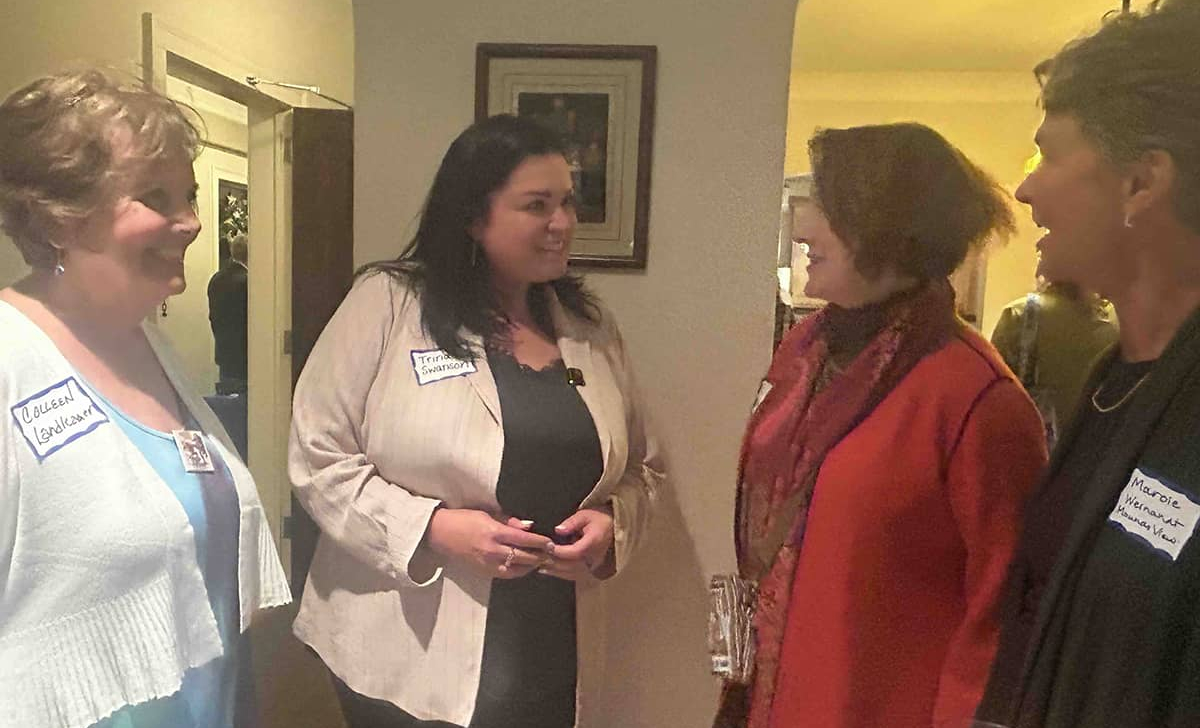
Trina Swanson Explains Why She Can Win Pete Stauber’s Congressional Seat
“I went to a farmer’s home in Aiken County recently. This man had voted for Trump and Pete Stauber every single time. We had an hour-and-a half–long conversation. He explained all the things he’s dismayed about. I explained who I was and why I was running and what I was going to support. I left with a $3,500 check.”

Truth #3: Protecting Small Businesses and Elderly Neighbors
“In moments of crisis, people appreciate you just asking them how you are doing. As someone who has suffered from PTSD [post-traumatic stress disorder], it is important to have moments of humor, cracking a joke, simply talking to somebody that you knew for years. Just doing those things can really change a person’s outlook.”
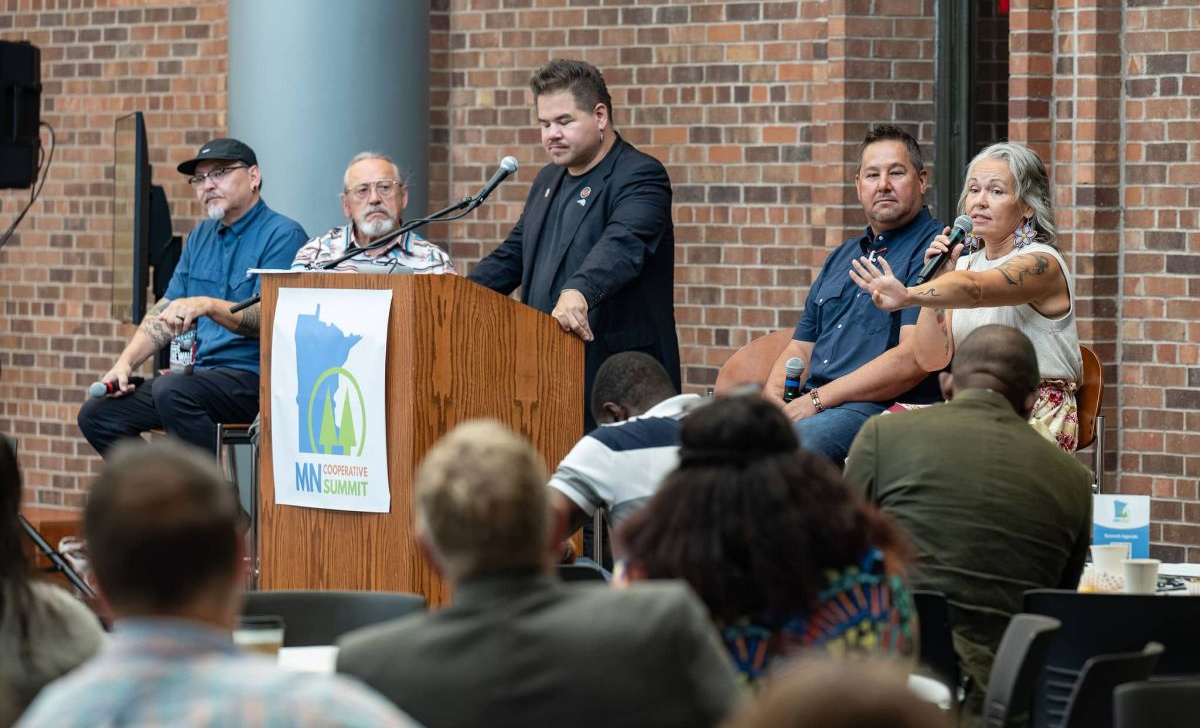
Insights About Co-Operatives
Policymakers, Indigenous leaders, and Black collective participants discussed the long-time benefits of a collaborative, co-operative system at the Minnesota Cooperative Summit in Duluth. “Community wealth is collective.”

Commentary: What is the Save Our Bacon Act in the Farm Bill?
The cutesy-named “Save Our Bacon Act” was introduced in Congress in July to support large corporations to strip states of the power to set their own standards for the food sold within their borders, and to nullify laws voters have already passed to protect people and animals.
 For 2025 coverage, Minnesota Women’s Press earned a community leadership award, three photography awards, and four editorial awards, including for coverage of social issues and for our Spring 2025 “Know Your Rights” special section supported by Unidos MN. Our publisher was named Journalist of the Year by Violence Free Minnesota for gender-based violence coverage.
